
Things to Do in Dushanbe in October
October weather, activities, events & insider tips
Low Season · Budget Friendly
October Weather in Dushanbe
Long-run averages for October
75°F (24°C)
High Temp
46°F (7°C)
Low Temp
1.1 inches (28 mm)
Rainfall
49%
Humidity
5
Sunny-Day UV
⚠ Mountain passes above 3,500 m (11,480 ft) take sudden heavy snowfall from mid-October onward. Roads close for days. No warning given. Do not attempt these crossings without a driver versed in winter conditions. Pack emergency supplies. Build flexibility into your itinerary. Storms happen.
Making the most of October in Dushanbe? Browse tours and activities in Dushanbe on GetYourGuide.
Is October Right for You?
Weigh the advantages and considerations before booking
Advantages
- + October drops Dushanbe's summer furnace by a full 11°C (20°F) from July's peak. Daytime temperatures settle around 24°C (75°F). Wear shirtsleeves. That warmth suits midday strolls. It stays cool enough to walk for hours without feeling wrung out. The dry air hovers near 49% humidity. You can stand in Rudaki Park at noon and enjoy it. Skip ducking into shade every ten minutes. The weather delivers steady comfort. The forecast holds.
- + Autumn colour rolls through the Varzob River corridor. It spreads across Dushanbe's Soviet-planted rows of poplars and plane trees in earnest by mid-October. The mountains ring the city. The Hissar Range sits to the north. The lower ridges extend south toward the Afghan border. They pick up their first dustings of snow. The valley stays mild. It is likely the single best month for landscape photography in the entire Tajik calendar. Pack a camera. Nature wins.
- + Tourist numbers thin out noticeably once September ends. Trekking groups who filled guesthouses along the Pamir Highway through August and September have largely gone home. You will have Hissar Fortress, the National Museum, and the tea-scented corners of Mehrgon Market mostly to yourself. Accommodation availability opens up. Operators running day trips to Iskanderkul Lake tend to be more flexible on scheduling and group sizes. Book early. Spaces fill quickly. Enjoy the quiet. Travel light.
- + The pomegranate and persimmon harvest arrives in force. Stalls at Mehrgon Market, the large covered bazaar that has anchored Dushanbe's commercial life for decades, pile up crates of blood-red pomegranates from Khatlon Province. They sit alongside amber persimmons so ripe the skin splits when you pick them up. Walnuts, dried apricots, and late-season grapes round out the autumn haul. The market's plov vendors fold fresh quince into their rice. It creates a seasonal twist you will not find in summer. Taste everything. Bring cash. Eat well.
Considerations
- − Mountain access narrows sharply as October progresses. The high passes of the Fann Mountains above 3,500 m (11,480 ft) can receive serious snowfall by mid-month. The upper reaches of the Pamir Highway toward Murghab and Khorog become risky after the third week. If your trip centres on high-altitude trekking, you are cutting it close. A late-October storm can close a pass overnight and strand you for days. Check weather updates. Turn back early. Stay safe. Respect limits.
- − Nights get properly cold. That 7°C (46°F) average low does not tell the whole story. Clear nights in the Varzob Valley can dip below freezing by late October. Many guesthouses and budget hotels outside the city centre rely on space heaters rather than central heating. If your accommodation is not in one of Dushanbe's newer buildings, expect chilly evenings. Bring layers you can sleep in. Pack a thick blanket. Stay warm. Bring socks. Prepare well.
- − Daylight contracts faster than you expect. By late October, the sun sets before 5:30 PM local time. That schedule clips the tail end of any day trip. An excursion to Iskanderkul Lake, roughly three hours each way on mountain roads, needs to start by 6 AM. You must leave early if you want meaningful time at the water before driving back in daylight. The short days also mean outdoor dining along Rudaki Avenue shifts indoors. Evening street life that characterises Dushanbe's summer months quiets considerably. Arrive early. Leave on time. Watch clocks. Plan routes.
Settled on October? Compare hotel prices in Dushanbe for your dates on Trip.com.
Best Activities in October
Top things to do during your visit
October settles over Dushanbe like a slow exhale after the punishing Central Asian summer. Daytime temperatures hover around 75°F (24°C), warm enough for shirtsleeves through the afternoon but dropping sharply to 46°F (7°C) once the sun dips behind the Hissar Range. The scorching days of July and August, when the thermometer clears 95°F and the air turns bone-dry, are months gone. In their place, October brings a measured calm. Rainfall averages just over an inch for the entire month. Skies tend toward a deep, cloudless blue. The chinar trees lining Rudaki Avenue ignite in copper and amber. The city smells different now, too. Less dust, more woodsmoke, and the warm yeasty scent of fresh non bread drifting from tandoor ovens on every block. For travelers weighing when to visit Dushanbe, October sits in a comfortable window between the brutal heat of summer and the wet, cold months that arrive in November, when rainfall more than doubles and temperatures slide toward freezing. The city's wide Soviet-era boulevards feel less oppressive without the summer glare. The surrounding Fann Mountains, visible from nearly every rooftop in the capital, carry their first dusting of early snow on the highest ridges while remaining passable at lower elevations. Restaurants along Ismoili Somoni Avenue spill tables onto the pavement for the last weeks of outdoor dining. The chaikhanas serve steaming bowls of qurutob, crumbled flatbread soaked in a tangy yogurt sauce, alongside plov fragrant with cumin and rendered lamb fat. Dushanbe is a safe city for foreign visitors, with a visible but unhurried police presence and locals who tend toward warm, curious hospitality rather than the hard sell common in more touristed Central Asian capitals. After dark, the scene is quieter than in Almaty or Tashkent. A handful of rooftop bars and hotel lounges carry the nightlife. The pleasure is less in the venues themselves than in the cool October air and the silhouette of mountains against a clear night sky. The food in Dushanbe deserves deliberate attention, not just as fuel between sightseeing but as a reason to linger. Samsa, flaky pastry parcels stuffed with spiced mutton and onion, emerge from clay ovens so hot that the dough blisters and chars at the edges, crackling when you bite through. Stalls near Mehrgon Market pile pomegranates into crimson pyramids, the fruit at its sweetest in October's cooler air. Hotels cluster around the city center, from Soviet-holdover towers with cavernous lobbies to a handful of newer boutique properties with better beds and worse character. The best accommodations are walkable to the National Museum, the opera house, and the central parks, making Dushanbe compact enough to explore on foot for days without needing transport beyond the occasional shared taxi.

Dushanbe to Osh on Pamir Highway
otherThe Pamir Highway journey from Dushanbe to Osh is not a day trip. It is a commitment, a multi-day crossing of one of the highest and most remote road corridors on earth. The route climbs from Dushanbe's valley floor through the Gorno-Badakhshan Autonomous Region, passing villages where Pamiri families invite strangers in for salt tea and fresh bread, crossing passes above 4,000 meters where the air thins and the landscape empties into wind-scoured plateau. You will see yaks grazing beside turquoise lakes. You'll feel the vehicle shudder over gravel switchbacks with thousand-meter drops. You'll hear nothing, nothing, when the engine cuts at a rest stop above Murghab.
This is the second-highest international highway in the world, and driving it end-to-end from Dushanbe to Osh remains one of Central Asia's defining overland experiences.
Insider tip: October narrows the weather window at the highest passes. Confirm current road conditions through Ak-Baital pass (4,655 meters) with your operator before departure. Pack serious cold-weather layers even if Dushanbe feels mild.
This month: October marks the tail end of the Pamir Highway's reliable driving season. Early snowfall can close the highest passes without warning, and nights at altitude drop well below freezing. This is a journey that rewards preparation and flexibility.

Private Full-Day Tour to Iskandarkul
day_tripA private full-day tour to Iskandarkul takes you north from Dushanbe into the Fann Mountains, climbing through valleys where the air sharpens with altitude and carries the resinous smell of juniper scrub. Iskandarkul itself is a glacial lake named for Alexander the Great, its surface shifting between slate grey and an almost unnatural teal depending on the cloud cover. The road in is rough. Expect to feel every pothole through the vehicle's suspension. The payoff is a shoreline ringed by ochre cliffs and, in October, largely empty of the summer camping crowds.
Iskandarkul is the most accessible of the Fann Mountains' alpine lakes from Dushanbe, and its color alone, fed by glacial sediment, is unlike any body of water most travelers have seen.
Insider tip: Bring your own lunch and hot drinks in a thermos. The lakeshore facilities are minimal, and October's cooler temperatures make a warm meal at the water's edge far more pleasant than relying on what you can buy on site.
This month: October's lower water levels and reduced glacial melt can intensify the lake's blue-green color, and the surrounding hillsides carry patches of golden grass against dark rock.

Dushanbe City Tour & Hissar Fortress
guided_experienceThe Dushanbe City Tour paired with Hissar Fortress compresses two distinct experiences into a single day: the Soviet and post-Soviet capital, with its oversized monuments and surprisingly rich National Museum of Tajikistan, and then a half-hour drive west to Hissar, where the remnants of an 18th-century fortress gate stand in warm sandstone against a backdrop of rolling foothills. Inside Dushanbe, the tour moves through the grandiose Rudaki Park, where the enormous flagpole once held a Guinness record, past the gold-domed Ismoili Somoni monument and the cool marble interior of the national museum, where Buddhist artifacts from ancient Gandhara sit alongside silk road textiles you can almost feel the weave of through the glass. At Hissar, the fortress walls radiate stored heat in the afternoon, the stone warm to the touch even as October's air cools.
This tour delivers both Dushanbe's curated national identity, the monuments, the museum's 3,000-year sweep, and the crumbling, unvarnished reality of Hissar's fortress, where restoration is minimal and the place feels old.
Insider tip: At the National Museum, head directly to the second floor's archaeology hall before the tour groups arrive. The reclining Buddha of Ajina Tepa, over 12 meters long, is displayed in a room that can feel cramped with even a modest crowd.

Dushanbe, One Day Excursion
day_tripThe one-day Dushanbe excursion operates as a concentrated city survey, threading through the capital's parks, bazaars, and institutional architecture at a pace that suits travelers with limited time. The route typically covers Mehrgon Market, where vendors stack dried apricots and mulberries in neat rows, and the smell of ground cumin hangs in the air between the spice stalls, the opera house's neoclassical facade, and the newer government quarter south of Rudaki Avenue, where Dushanbe's ambition to project modernity is written in glass and polished granite. The guide contextualizes what you are seeing: why the city was essentially rebuilt from scratch in the Soviet era, why the street names changed after independence, and how the enormous presidential palace relates to the country's tightly centralized politics.
For travelers passing through Dushanbe en route to the Pamirs or Fann Mountains, this excursion converts a transit stop into a genuine understanding of a capital city most visitors barely glimpse.
Insider tip: Ask your guide to stop at one of the chaikhanas near the Green Bazaar for a plate of qurutob. The sour, creamy tang of the yogurt against warm bread is Dushanbe's signature flavor. Eating it at a communal table with local workers is worth more than another monument photo.

ISKANDARKUL - Live Legend, One-day tour
guided_experienceThe day tour to Iskandarkul brands itself around the lake's legendary connection to Alexander the Great. Local tradition holds that his horse, Bucephalus, drowned in the waters, though the story owes more to Tajik oral poetry than to Arrian's histories. Regardless of the myth, the journey itself earns the trip. The road climbs through the Zeravshan Range, passing through villages where autumn walnut harvests are spread on rooftops to dry in the thin October sun, filling the air with a faintly bitter, woody scent. At the lake, a short hike along the eastern shore leads to a waterfall that, fed by snowmelt and late-season rain, drops into a narrow gorge with a sound that echoes off the rock walls like a low, continuous drumroll.
This tour frames Iskandarkul not just as scenery but as narrative. The guide weaves Tajik folklore, Soviet-era geography, and mountain ecology into a day that feels like more than a lake visit.
Insider tip: Wear proper hiking boots, not trainers. The trail to the waterfall is uneven and can be slick with spray, and October's cooler ground temperature makes wet rocks less forgiving than in summer.
This month: The waterfall flow in October is modest compared to spring snowmelt but still active. The reduced volume makes the gorge trail less slippery and the sound less overwhelming, allowing closer approach.

Dushanbe City Private Tour
private_tourA private city tour of Dushanbe strips the experience down to guide and traveler, which in a city this undervisited means you are often the only foreigner in the room. The pace is yours. Linger in the manuscript hall of the National Library, where illuminated Persian texts glow behind UV-filtered glass. Spend an extra half-hour in the shaded walkways of Botanical Garden, where autumn has turned the canopy into layers of ochre and rust and the air smells of fallen leaves and damp soil. The guide adjusts the route to your interests, architecture, food, Soviet history, Islamic art, and the private format means stops at neighborhood bakeries or unmarked chaikhanas that group tours skip entirely.
Dushanbe rewards slow, flexible exploration more than checklist tourism, and a private guide turns the city's quieter corners, a courtyard mosque, a residential mahalla, a tea stall with no sign, into the substance of the day.
Insider tip: Request a stop at the Ismaili Centre if your guide has contacts there. The modern architecture and interior tilework are among the most striking in the city. But access is not always straightforward for non-Ismaili visitors.
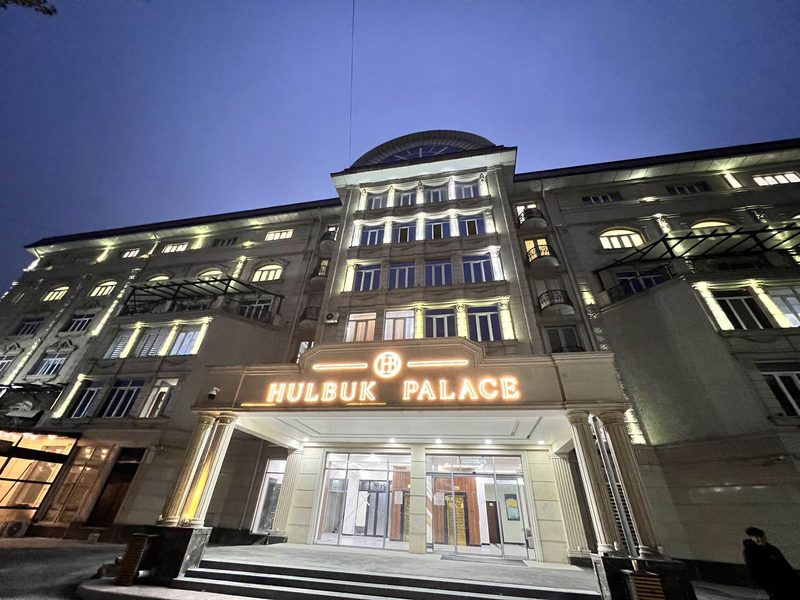
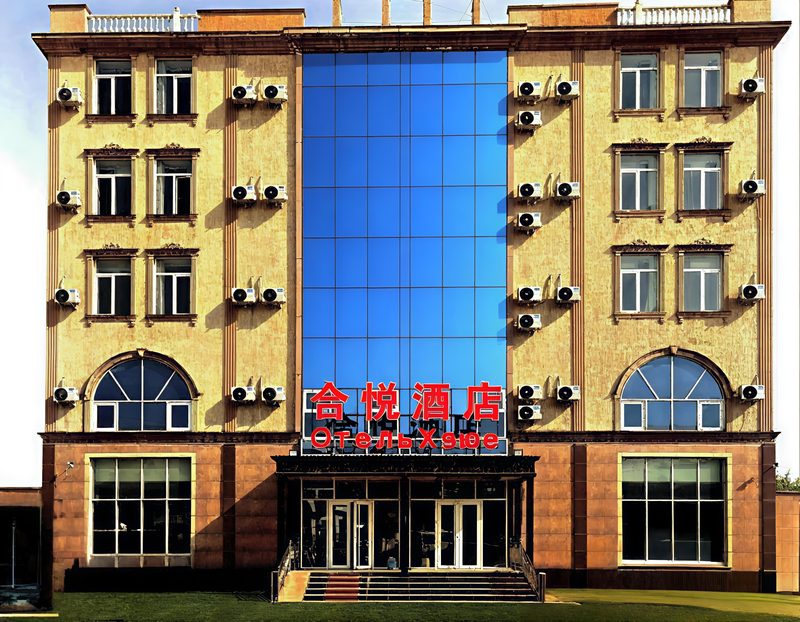
Where to Stay in Dushanbe in October
Hand-picked hotels across price tiers for October travellers.

Packing Checklist
Bookmark this page — your progress is saved between visits
Need the full list with shopping links?
Climate-specific gear, brand recommendations, and what to leave at home.
View Dushanbe Packing List →Essential Tips
Insider knowledge and common pitfalls to avoid
Insider Knowledge
The chaikhana teahouses scattered through Dushanbe's older quarters are where the city happens in October. Once the evening chill sets in, men gather around low tables spread with dried fruit, green tea, and fresh non to talk, play cards, and eat qurutob. This is torn flatbread soaked in a sauce of soured yogurt, onion, and herbs that tastes tart and savoury and sticks to your ribs. Sitting in a chaikhana and accepting the tea that will be offered is the single fastest way to have a real conversation in Dushanbe. You do not need to find a specific one. Just follow the scent of charcoal and bread into any open doorway with cushions on the floor.
Mehrgon Market in October is a sensory education in Tajik autumn. The pomegranate vendors will crack one open for you to taste before buying. The colour of the juice, deep garnet, almost black, stains your fingers for the rest of the day. Walk past the produce section into the back halls where dried fruits and nuts are sold by weight. Look for the amber-coloured dried mulberries that taste like caramel crossed with honey. The spice stalls sell whole cumin, black cumin (zira), and dried ground sumac in quantities that would cost five times as much in a Western grocery. Go before 10 AM when the aisles are passable. By noon the crush makes browsing difficult. Arrive early.
Shared taxis to Hissar, the Varzob Valley, and even Iskanderkul leave from known gathering points around Dushanbe that every local driver knows. The system runs without apps, signs, or schedules. Vehicles depart when four passengers fill the car. In October, with fewer tourists making these runs, you might wait thirty to forty minutes for a car to fill. You can pay for the empty seats to leave immediately. Either way, this is how locals travel. It is dramatically cheaper than hiring a private car through a tour agency. Ask your accommodation host to write your destination in Tajik script on a piece of paper. Show it to drivers at the departure point.
The Tajikistan National Museum on Ismoili Somoni Avenue is worth a full morning. Do not give it the quick forty-minute walk-through most visitors do. The Greco-Bactrian hall on the second floor holds artefacts from the excavations at Takht-i-Sangin. These include carved ivory, Hellenistic bronzes, and coins bearing Alexander's profile. They rival anything in the British Museum's Central Asian collection. In October you can stand in front of them alone. The Soviet-era hall on the top floor is equally revealing. Propaganda posters, cotton production charts, and photographs of the Nurek Dam construction tell the story of twentieth-century Tajikistan more honestly than any textbook. Do not miss it.
Avoid These Mistakes
Do not underestimate the altitude change on day trips. Dushanbe sits at 800 m (2,625 ft). Iskanderkul is at 2,195 m (7,201 ft). Pamir Highway passes exceed 4,600 m (15,092 ft). That vertical gain happens fast, over bad roads, with no acclimatisation buffer. Headaches, nausea, and shortness of breath catch travellers who were fine at breakfast in the city by lunchtime in the mountains. Drink water aggressively. Skip alcohol the night before any mountain trip. Do not push through altitude symptoms hoping they will pass. Stop and rest.
Do not treat October as full summer. First-time visitors who read the 24°C (75°F) daytime high and pack only shorts and T-shirts get caught out badly by the overnight low near 7°C (46°F). The temperature drops fast after sunset. By 6 PM in late October, you want a proper jacket. On mountain excursions, the gap is even wider. Layer for winter mornings and summer afternoons on the same day. Pack smart.
Do not assume English is widely spoken. Dushanbe's younger residents increasingly speak some English. Beyond the National Museum and a handful of accommodation desks, Tajik and Russian dominate daily life. Learn basic greetings in Tajik. Salaam means hello. Rahmat means thank you. Learn the phrase for how much does this cost. Carry a translation app that works offline. Mobile data coverage outside the city is patchy at best. A few phrases of Tajik open doors that no amount of confident English will. Make the effort.
Short on time? See day trips around Dushanbe on GetYourGuide.
Ready to plan your trip to Dushanbe?
Now that you've got the research covered, here's where to go next.
Explore More Activities in Dushanbe
Didn't see anything interesting yet?
Browse Viator's full catalog of tours, day trips, food experiences, and private guides in Dushanbe.
See All Dushanbe Tours on Viator