
Things to Do in Dushanbe in January
January weather, activities, events & insider tips
Low Season · Budget Friendly
January Weather in Dushanbe
Long-run averages for January
48°F (9°C)
High Temp
30°F (0°C)
Low Temp
2.4 inches (61 mm)
Rainfall
69%
Humidity
2
Sunny-Day UV
⚠ Mountain roads to popular excursion destinations like Iskanderkul Lake and the Fann Mountains are routinely closed by snow and ice from November through April with no advance notice. Always confirm accessibility with local operators on the morning of any planned day trip outside the Hissar Valley.
⚠ Cold snaps can push overnight temperatures to -10°C (14°F) or below, well past the monthly average. Older guesthouses outside the city centre may have inconsistent heating during evening peak-demand hours when the electrical grid is under heaviest load.
Making the most of January in Dushanbe? Browse tours and activities in Dushanbe on GetYourGuide.
Is January Right for You?
Weigh the advantages and considerations before booking
Advantages
- + Dushanbe in January belongs to you. The travelers who visit Central Asia come almost exclusively between June and September. You'll walk through the National Museum's Buddhist galleries alone. You'll stand inside Hissar Fortress without crowds. You'll browse Mehrgon Market without competing for space or attention. Locals tend to be curious about winter visitors. Conversations happen more easily when you're not one of fifty foreigners that day.
- + Winter food culture peaks in the coldest months. Chaikhanas serve their heartiest osh now. Tandoor ovens turn out sambusa at their crispiest. Thick lamb and root vegetable soups appear on every table. These define Tajik cold weather cooking. If food is how you understand a place, January is likely your best window.
- + Accommodation rates drop well below summer levels. Negotiating room prices becomes easier when occupancy is low. January is probably the most affordable month to experience Dushanbe. Everything from guides to meals costs less than peak season equivalents. Plan for this.
- + The Fann Mountains and Hissar Range ring the city with fresh snow through January. Clear mornings deliver views from Rudaki Avenue that summer visitors never see. White peaks against sharp blue sky. The air so cold and clean it almost tastes mineral. Bring a camera.
Considerations
- − Nighttime temperatures regularly hit freezing. The dry continental cold penetrates layers in a way coastal travelers won't expect. Outdoor sightseeing requires serious winter gear. You'll need periodic warming breaks in chaikhanas. The leisurely street wandering that defines a summer visit becomes an exercise in endurance. Dress accordingly.
- − The Pamir Highway, Iskanderkul Lake, and most mountain excursions are effectively shut down by snow and ice from November through April. This removes the very experiences that draw most travelers to Tajikistan in the first place. Consider your priorities.
- − Daylight runs roughly 10 hours. The sun sets around 5:15 PM. This compresses outdoor sightseeing into a tight window. Late afternoon plans need to account for early darkness and dropping temperatures. Start early.
Settled on January? Compare hotel prices in Dushanbe for your dates on Trip.com.
Best Activities in January
Top things to do during your visit
Winter strips Dushanbe down to its bones. What remains rewards travelers who show up when no one else does. Daytime temperatures hover near 9°C. Cold enough that your breath clouds as you walk Rudaki Avenue. Mild enough that the sun, when it breaks through thin overcast, warms pale Soviet-era facades to soft amber. The Varzob River runs steel-grey between banks of bare poplars. The air carries the clean mineral smell of snowmelt rolling off the Hissar Range to the north. Nights drop to freezing. The bazaars close earlier than in summer. The chaikhanas stay open late, their windows fogged with steam from iron samovars and the peppery scent of plov simmering in cast-iron kazan pots. January rainfall averages around 61 millimeters. It arrives in brief, cold showers rather than sustained downpours. Most days remain dry enough for walking. The mountains ringing Dushanbe on three sides stand dusted with snow down to their mid-slopes. The city gains a framed, intimate quality it loses in summer haze. Locals spend winter evenings gathered around dastarkhan spreads of flatbread, dried apricots, and bowls of qurutob. The tangy fermented-cheese dish tastes sharper in cold weather. Restaurants serve steaming lagman noodle soup thick with lamb and root vegetables. The warmth of a well-run dining room after a day in the cold is one of January's quiet pleasures. Dushanbe doesn't perform for tourists in any season. In January it performs least of all. That honesty is the point. The National Museum stands nearly empty. Its guards are happy to talk. The streets around Mehrgon Market smell of woodsmoke and cumin. The Fann Mountains gleam white on the horizon. You'll have Dushanbe largely to yourself. You'll eat well, walk far, and sleep in the cold, dry air.

Dushanbe to Osh on Pamir Highway
otherThe Pamir Highway journey from Dushanbe to Osh is one of Central Asia's defining overland routes. It is a multi-day crossing that threads through the Wakhan Corridor and over passes where the air thins. The landscape shifts from river valleys choked with willow scrub to high plateaus where yak herds graze against a sky so blue it looks enameled. The road climbs past hot springs that steam in frigid air. It passes through villages where Pamiri families invite travelers in for salt tea and fresh kurut. It runs along cliff edges where the Panj River cuts the border with Afghanistan far below. This isn't a sightseeing tour. It is a passage through terrain that remakes your sense of scale.
The second-highest international highway on earth, crossing landscapes so vast and stark they make every other mountain road feel decorative.
Insider tip: Request a vehicle with a dedicated heater for the rear cabin. Carry your own sleeping bag rated to minus fifteen. Guesthouses along the route vary wildly in insulation and heating fuel supply.
This month: January conditions on the Pamir Highway are harsh. Passes above 4,000 meters, including the Ak-Baital at 4,655 meters, accumulate heavy snow and ice. Operators may adjust itineraries, delay departures, or reroute based on road conditions. Confirm current pass status with your operator before booking a January departure.

Private Full-Day Tour to Iskandarkul
day_tripThe private day trip to Iskandarkul takes you north from Dushanbe through the Fan Mountains. The lake is named for Alexander the Great. It is a body of water ringed by walls of dark schist and grey limestone that rise to snow-capped ridges. The drive alone is worth the commitment. It winds through the Anzob Pass where the tunnel smells of damp rock and diesel exhaust. It emerges into valleys where the light goes golden in late morning. Iskandarkul itself sits at roughly 2,200 meters. Its surface is a deep cold green that shifts to slate under cloud cover. In winter the shoreline can be edged with shelf ice that cracks and groans as temperature fluctuates through the day.
A glacial lake of unearthly color set in a mountain amphitheater, reached through some of the most dramatic valley driving in Tajikistan.
Insider tip: Pack a thermos of hot tea. Request that your driver stop at the waterfall viewpoint on the descent from the lake. Spray freezes into delicate ice formations along the rock face in cold months.
This month: The road to Iskandarkul climbs through mountain terrain that can be snow-covered and icy in January. The lake shoreline may be partially frozen. Confirm road conditions with your operator the morning of departure.

Dushanbe City Tour & Hissar Fortress
guided_experienceThe combined Dushanbe city tour and Hissar Fortress excursion pairs the capital's Soviet-planned avenues and post-independence monuments with the mud-brick ruins of a fortress that sat at a crossroads of the Silk Road. In Dushanbe proper, the route takes in the enormous Tajik flagpole on Somoni Square, the gold-domed Ismaili Centre, and the National Museum. Hellenistic coins from Greco-Bactrian mints sit in glass cases a few rooms away from Sogdian murals pried from mountain temples. The drive west to Hissar crosses flat cotton land before arriving at the fortress gateway. Two cylindrical towers of baked clay rise from a platform where the wind carries the dry, papery smell of old earth and the sound of pigeons roosting in upper chambers.
Compresses three thousand years of Tajik history into a single day, from Alexander's easternmost garrisons to the Soviet-era planning that shaped modern Dushanbe.
Insider tip: Ask your guide to walk you through the old madrasa adjacent to the fortress rather than just the main gate. The tilework inside is finer. Most groups skip it entirely.

Dushanbe, One Day Excursion
day_tripThe one-day Dushanbe excursion is a concentrated survey of the capital. It moves at a pace fast enough to cover ground but slow enough to linger where it matters. The itinerary typically threads through Rudaki Avenue. The neoclassical opera house stands across from tea gardens where old men play chess on stone benches even in the cold. It passes the ornate Writers' Union building. It enters the Mehrgon Market where vendors stack pyramids of dried mulberries and walnuts. The air is thick with the sweet, dusty perfume of ground sumac and dried herbs. This is a city that reveals itself in texture and detail rather than grand monuments. A guided day gives you the local knowledge to find those seams.
A single-day framework that connects Dushanbe's scattered points of interest into a coherent narrative, guided by someone who knows which backstreet chaikhana serves the best shirchoy.
Insider tip: Tell your guide you want to visit the antique and curio shops near the Philharmonic Hall. Soviet-era pins, Tajik embroidered suzani textiles, and old Afghan carpets turn up at prices that reflect Dushanbe's distance from the collector market.

ISKANDARKUL - Live Legend, One-day tour
guided_experienceThe day trip to Iskandarkul branded as the Live Legend tour follows a similar route to the lake. It leans into the mythology and geology of the Fan Mountains with a narrative emphasis that suits travelers who want context layered over scenery. The guide unpacks the Alexander legend at the lakeshore. Local tradition holds that the conqueror's horse drowned in the cold water. The guide traces the geological story of the surrounding peaks, pale bands of Paleozoic limestone folded against darker Jurassic shale visible in the roadcuts. The return drive drops through walnut forests where bare winter branches form a grey lattice against the snow. A stop at a roadside cookhouse for a bowl of lamb shorpo, its broth rich with fat and carrot, warms you from the inside out before the last hours back to Dushanbe.
Layers geological and historical storytelling over one of Central Asia's most photogenic alpine lakes, turning a scenic drive into an education.
Insider tip: Sit on the right side of the vehicle heading north for the best views of the river gorge. Sit on the left for the return when afternoon light hits the western valley walls.
This month: As with any Iskandarkul trip in January, mountain roads may carry snow or ice. The lake can be partially frozen, which transforms the scenery but demands proper cold-weather clothing and flexible expectations about access.

Dushanbe City Private Tour
private_tourThe private Dushanbe city tour strips the itinerary to the capital alone. It gives you a guide's undivided attention for a focused walk through a city that most travelers pass through on the way to the mountains. The route covers the same landmarks, the National Museum, the gilded Somoni statue, the botanical garden where bare winter branches frame views of the Hissar Range. The private format lets you detour into neighborhoods like Shohmansur, where residential streets smell of coal smoke and fresh flatbread baking in tandoor ovens sunk into courtyard floors. You can linger at antiquarian bookshops near the university. You can spend an extra half hour in the museum's Buddhist art collection, which houses pieces excavated from monasteries in southern Tajikistan that most visitors walk past.
The most flexible way to learn Dushanbe at your own pace, with a local guide who can pivot from planned stops to spontaneous encounters as the day develops.
Insider tip: Ask to end the tour at Café Segafredo or a similar spot near Rudaki Avenue. You can sit with a coffee and watch the early-evening promenade, Dushanbe's quieter version of the Italian passeggiata, as locals walk the boulevard in the last cold light.
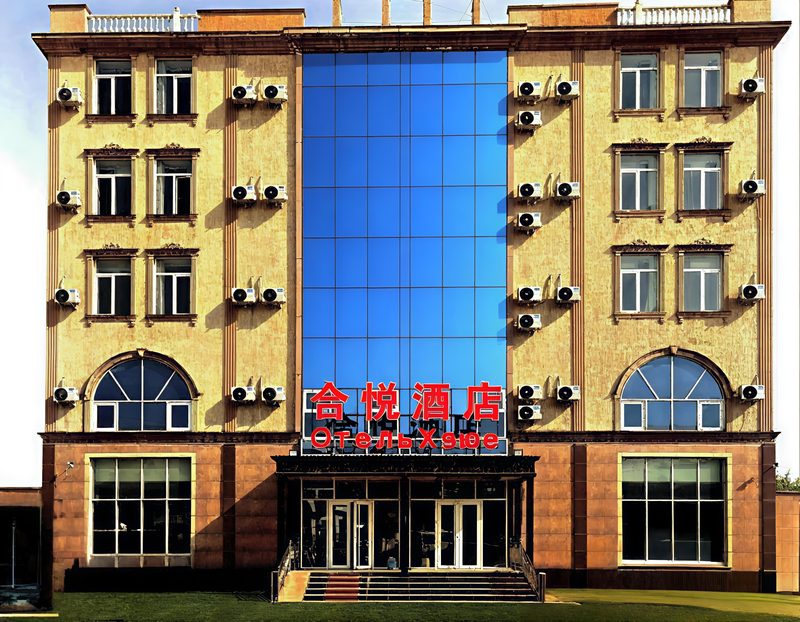
Where to Stay in Dushanbe in January
Hand-picked hotels across price tiers for January travellers.

Public Holidays in January
Dates that affect opening hours, transport and crowds
New Year's Day
Observed nationwide as a public holiday. Date calculated from the national holiday calendar.
New Year's Day
Observed nationwide as a public holiday. Date calculated from the national holiday calendar.
Packing Checklist
Bookmark this page — your progress is saved between visits
Need the full list with shopping links?
Climate-specific gear, brand recommendations, and what to leave at home.
View Dushanbe Packing List →Essential Tips
Insider knowledge and common pitfalls to avoid
Insider Knowledge
Thursday is osh day across all of Tajikistan, and in Dushanbe the tradition runs deep. Every chaikhana, every neighbourhood kitchen, and every bazaar stall prepares their best rice pilaf on Thursdays. Cooks use massive cast iron kazans over open flame. The carrots caramelise. The lamb sits at the bottom where fat renders slowest. If your visit allows any flexibility at all, make sure a Thursday falls inside it. The gap between Thursday osh and any other day's version is the gap between ceremony and afterthought.
Dushanbe's marshrutka system runs fixed routes but posts almost nothing about them. These shared minibuses form the backbone of city transport. Most routes radiate from the area near the central bazaar. Holding out your hand is how locals flag the right one. In January they run slightly less frequently. Windows fog so completely that counting stops becomes guesswork. Sit near the driver. Watch for landmarks. Or simply tell the driver your destination when you board.
The electricity grid handles winter demand better than it did five years ago. Rolling reductions still happen in some neighbourhoods. They strike typically in the early evening when heating load peaks. Hotels along Rudaki Avenue tend to have backup generators. If you are staying in a guesthouse further from the centre, ask about their power situation before booking. A cold room with no heat at 9 PM in January is not a minor inconvenience.
Carry your passport on you at all times. Police document checks within the city are uncommon but do happen. Officers expect to see original documents rather than photocopies. This is a holdover from registration requirements. It is enforced without much flexibility. Keep the original in an inside pocket. Keep a photocopy in your bag as backup.
Avoid These Mistakes
Planning to drive the Pamir Highway in January? Do not. The high passes, including the Ak-Baital at 4,655 m (15,270 ft), are buried under snow and ice from roughly November through April. No reputable operator will take you. If the Pamir is your primary reason for visiting Tajikistan, come between June and September.
Do not underestimate how the dry continental cold feels compared to coastal or maritime winter. Dushanbe at 0°C (32°F) with low humidity and valley wind gusts feels noticeably colder than that number suggests to someone from a milder climate. Pack for -5°C (23°F) to be safe. Plan for indoor warming stops every hour or so during extended walking.
Do not assume card payments work beyond major hotels and the handful of restaurants on Rudaki Avenue that cater to international visitors. Dushanbe is still largely a cash economy. ATMs, while present, cluster in the city centre. Running out of cash on a Sunday afternoon in a residential neighbourhood or at a bazaar stall means a long walk back to Rudaki.
Short on time? See day trips around Dushanbe on GetYourGuide.
Ready to plan your trip to Dushanbe?
Now that you've got the research covered, here's where to go next.
Explore More Activities in Dushanbe
Didn't see anything interesting yet?
Browse Viator's full catalog of tours, day trips, food experiences, and private guides in Dushanbe.
See All Dushanbe Tours on Viator