
Things to Do in Dushanbe in June
June weather, activities, events & insider tips
Low Season · Budget Friendly
June Weather in Dushanbe
Long-run averages for June
92°F (33°C)
High Temp
62°F (17°C)
Low Temp
0.7 inches (18 mm)
Rainfall
42%
Humidity
10
Sunny-Day UV
⚠ UV exposure intensifies in June. Mountain trips above 2,000 m (6,560 ft) worsen it. Thinner atmosphere burns faster. Water reflects. Snow reflects. Cover your skin. Reapply sunscreen every two hours. Quality sunglasses matter. UV protection is non-negotiable.
⚠ Altitude sickness threatens Pamir travelers. Dushanbe sits at 800 m (2,625 ft). The highway climbs above 4,000 m (13,120 ft). The jump is brutal. Ascend slowly. Hydrate constantly. Learn AMS symptoms before departure. Knowledge saves trips. It can save lives.
⚠ Earthquakes happen here. Tajikistan shakes regularly. Dushanbe trembles. Damage in the capital is rare. Older buildings risk more. Rural homestays too. Note your exits. Keep shoes nearby. Store a flashlight within reach. Night tremors demand readiness.
Making the most of June in Dushanbe? Browse tours and activities in Dushanbe on GetYourGuide.
Is June Right for You?
Weigh the advantages and considerations before booking
Advantages
- + June is the driest month Dushanbe sees until late autumn, with just 18 mm (0.7 inches) of rain on average, a sharp pivot from the soggy spring when April alone dumps 114 mm (4.5 inches). The sky tends to stay cloudless for days at a stretch. The Fann Mountains to the east sharpen into focus with a clarity you simply won't get during the haze of March or the furnace shimmer of August. For anyone heading toward the Pamir Highway or planning a day trip to Iskanderkul, this dry window is likely your most reliable shooting weather.
- + Mountain passes that stay snowbound or treacherous through May are generally open and stable by mid-June. The road to Iskanderkul clears reliably. Pamir Highway operators start running the full Dushanbe-to-Osh route without the rerouting headaches that plague earlier departures. If the high-altitude terrain of eastern Tajikistan is the reason you came, June is when the country opens up.
- + The 42% average humidity makes Dushanbe's 33°C (92°F) highs significantly more bearable than they look on paper. This is a dry continental heat, not the thick, suffocating kind that flattens you in Southeast Asia at the same temperature. Shade and a breeze bring genuine relief. Mornings before 10 AM and evenings after 6 PM are outright pleasant, warm enough for a cotton shirt, cool enough to walk without stopping every block.
- + Tourist infrastructure in Dushanbe is still scaled to modest visitor numbers, and June sits at the front edge of the short summer travel window rather than its peak. July and August bring slightly larger crowds of trekkers and overland travelers staging for the Pamirs, so June tends to offer better availability for guides, guesthouses, and the limited fleet of 4x4s that run the eastern routes. You're more likely to get the experienced driver. You're more likely to get the room with the courtyard view.
Considerations
- − Afternoons in Dushanbe in June are hot. Between roughly noon and 4 PM, the city bakes under cloudless skies and temperatures that push past 33°C (92°F) regularly, and the wide Soviet-era boulevards offer almost no natural shade. The locals know this. They retreat indoors. Shops close. Streets empty. The city enters a collective pause. If you fight it and try to sightsee through the midday heat, you'll burn out fast and enjoy nothing.
- − Dushanbe's nightlife and dining infrastructure remains limited compared to nearly any capital city of comparable size. Restaurants that cater to international tastes exist but cluster in a handful of blocks near Rudaki Avenue, and after about 10 PM the city goes quiet in a way that can feel isolating if you're used to options. The food is excellent on its own terms. You have to meet it on those terms. The variety narrows quickly.
- − Getting to Dushanbe still requires patience. Direct international flights are few, most routing through Istanbul, Dubai, or Almaty with long layovers. Visa requirements have eased with the e-visa system. But processing times can be unpredictable, and the bureaucratic texture of arriving, immigration lines, currency exchange at the airport, negotiating your first taxi without a common language, tests travelers who expect streamlined arrivals. It's not hard. It demands tolerance for friction.
Settled on June? Compare hotel prices in Dushanbe for your dates on Trip.com.
Best Activities in June
Top things to do during your visit
By June, the rain that soaked Dushanbe through spring has stopped. April and May dump a combined seven and a half inches on the city; June delivers barely three-quarters of an inch across the entire month. The effect is physical. Gutters dry. The air loses its heaviness. The Fann Mountains north of the capital sharpen against a sky scrubbed clean of haze. Daytime temperatures climb to 33°C, and the city adjusts its clock accordingly. Morning markets along Rudaki Avenue open earlier, their vendors laying out apricots and fat Tajik cherries while the concrete is still cool to the touch. By early afternoon the streets thin, and the warmth pools against the Soviet-era apartment blocks in visible waves. The smell of grilled lamb drifts from the courtyards behind Ismoili Somoni Avenue, where families pull tables under mulberry trees to wait out the heat. June sits at a pivot point in Dushanbe's year. The wet season is over. The worst of summer's heat, July averages 36°C, has not yet arrived. The mountain roads that define overland travel in Tajikistan are reliably open. The Pamir Highway clears its last snowdrifts on the higher passes. Iskandarkul's turquoise water is swimmable by late morning. The fortresses east of the city bake in clean light good for photography. Restaurants open their terraces: look for plov served from blackened kazan pots at Chaikhona Rohat, where the rice glistens with rendered lamb fat and whole heads of garlic, or the tart, herb-laden qurutob, dried cheese softened in broth, layered with spring onion and cilantro, at family-run spots off Mirzo Tursunzoda Street. After dark, Dushanbe's nightlife concentrates in a handful of hotel bars and the stretch of cafés near the National Library, where younger Tajiks gather under string lights and the temperature finally drops toward a bearable 17°C. The city feels safe for walking at night, along the well-lit central avenues, though the residential side streets go quiet early. For travelers using Dushanbe as a staging ground for the mountains, June is the month that rewards the logistics: the weather cooperates, the roads are dry, and the capital itself is warm enough to eat dinner outdoors but not yet punishing enough to make you regret it.

Dushanbe to Osh on Pamir Highway
otherThe Pamir Highway between Dushanbe and Osh is not a shortcut to anywhere. It is the point of the trip. This multi-day journey follows the second-highest international road on earth through the Gorno-Badakhshan Autonomous Region, crossing passes above 4,000 metres where the air smells of cold mineral dust and the only sound is wind pressing against the vehicle. You pass through Khorog, where the Gunt River roars green below the bazaar, through villages in the Wakhan Corridor where Afghan settlements shimmer across the Panj River, and over the Ak-Baital Pass, where snow patches survive into June and the light turns everything the color of bone.
This is Central Asia's defining overland route, days of high-altitude desert, glacier-fed rivers, and Pamiri homestays where bread is baked in tandoor ovens sunk into the kitchen floor.
Insider tip: Carry hard cash in small denominations for the entire route. Card readers do not exist outside Khorog, and even there they are unreliable.
This month: June is the first fully reliable month for the higher passes, Ak-Baital and Kyzyl-Art clear their last snow barriers in late May, and the road surface is at its best before July's meltwater undermines the shoulders.

Private Full-Day Tour to Iskandarkul
day_tripIskandarkul sits at 2,195 metres in the Fann Mountains, roughly four hours north of Dushanbe by road. The lake's color is the first thing that stops conversation: a blue-green so saturated it looks synthetic, caused by glacial flour suspended in snowmelt. The drive itself earns its place in the day, climbing through walnut forests that smell of damp bark and wild thyme before breaking above the treeline into alpine meadow where marmots whistle from their burrows. At the shore, the wind off the water carries a chill that cuts through June's lowland heat, and the sound of the outflow waterfall, the Fann's answer to a natural dam break, echoes off the valley walls.
This is the single most dramatic landscape reachable from Dushanbe in a day, a glacial lake ringed by 3,000-metre peaks, accessible without a single night in a tent.
Insider tip: Ask your driver to stop at the Iskandarkul waterfall viewpoint on the descent trail east of the lake. It is a fifteen-minute walk from the road that most groups skip, and the spray is cold enough to taste.

Dushanbe City Tour & Hissar Fortress
guided_experienceThis combined tour pairs Dushanbe's Soviet and post-independence landmarks with the ruins of Hisar Fortress, 25 kilometres west of the city centre. In Dushanbe itself, you move through the National Museum of Antiquities, where the 13-metre reclining Buddha, excavated from a monastery in southern Tajikistan, fills an entire hall with the faint smell of old plaster and preservation chemicals, before crossing to the gold-domed Ismoili Somoni monument and the enormous flagpole on Dusti Square, where pigeons scatter across hot marble. At Hisar, the two surviving gate towers rise from the hillside like cracked teeth, their baked-mud walls releasing stored heat into the afternoon air while swallows loop through the arched entrance.
The pairing covers 2,500 years in a single day, from an ancient Sogdian fortress to the monuments Tajikistan built to define itself after 1991.
Insider tip: At Hisar, walk past the main gate to the 16th-century madrasa behind the fortress walls. It is cooler inside, almost empty of other visitors, and the carved plaster ceiling retains detail that photographs poorly but impresses in person.

ISKANDARKUL - Live Legend, One-day tour
guided_experienceThis is the second Iskandarkul option, run by a different operator and pitched at a slightly faster pace. The route is the same, north through the Fan Mountains. But the emphasis here leans toward the mythology: Iskandarkul means "Alexander's Lake," named for the legend that Alexander the Great's horse drowned in its waters during his Central Asian campaign. Whether or not the story holds, the place earns its reputation without it. The lake surface reflects the surrounding peaks so cleanly in the morning that photographs look inverted, and the silence at the shore, broken only by the slap of small waves against flat stones, has a quality that feels actively maintained by the altitude.
A lake named for Alexander the Great, reached through gorges where the rock walls close to arm's width, the landscape delivers on every claim the legend makes.
Insider tip: Bring a windbreaker even in June. The lake sits high enough that afternoon gusts off the snowfields can drop the felt temperature sharply, and there is no shelter at the main viewpoint.

Dushanbe City Private Tour
private_tourA private city tour of Dushanbe strips out the mountain day-trip and focuses entirely on the capital itself, its parks, its markets, and the odd tension between Soviet grid planning and the Tajik government's taste for gold-accented monumental architecture. You move through Rudaki Park, where old men play chess under the plane trees and the air is thick with the smell of roasting sunflower seeds from cart vendors, to the Green Bazaar, the city's main food market. The bazaar is the sensory centre of Dushanbe: stalls of dried apricots so orange they glow, wheels of kurut, dried yogurt balls, stacked in pyramids, and butchers working through whole carcasses while flies hum in the warm air. A private guide adjusts the route to your pace, which matters in June heat, you can linger in the air-conditioned halls of the National Museum or sit longer over green tea in a chaikhona.
Dushanbe rewards slow looking, and a private guide lets you spend time in the places that repay attention, the bazaar, the teahouses, the Soviet mosaics that most group tours walk past.
Insider tip: Ask your guide to include the Tajikistan National Museum's top-floor hall, which holds Soviet-era propaganda murals and cotton-harvest paintings that are more revealing about the country's 20th century than anything on the lower floors.

Hisar Fortress, One-day tour
guided_experienceHisar Fortress alone, without the Dushanbe city component, and at a more deliberate pace. The site sits on a bluff above the Kafirnigan River valley, and the drive from Dushanbe passes through a landscape of cotton fields and low mud-walled villages where donkeys stand motionless in the shade. The fortress complex dates to at least the 7th century, though the surviving entrance gate, two tapering towers flanking a pointed arch, is mostly 16th- to 18th-century reconstruction over older foundations. Inside the walls, the ground is uneven and baked hard, scattered with pottery shards that crunch underfoot. A small caravanserai and two madrasas sit within the compound, their interiors cool and dim, the plaster carved in geometric patterns that still hold traces of blue pigment.
This is where the Silk Road passed through the mountains east of Samarkand, a fortress that controlled the route into the Tajik highlands for over a thousand years.
Insider tip: The small museum inside the caravanserai charges separately and is easy to overlook. But it holds Zoroastrian-era ossuaries and Sogdian coins that give the ruins a human scale no guidebook paragraph can.
This month: June's dry conditions make the unpaved paths within the fortress compound firm and easy to walk. In spring the same paths can be slick with mud from the preceding months of heavy rain.
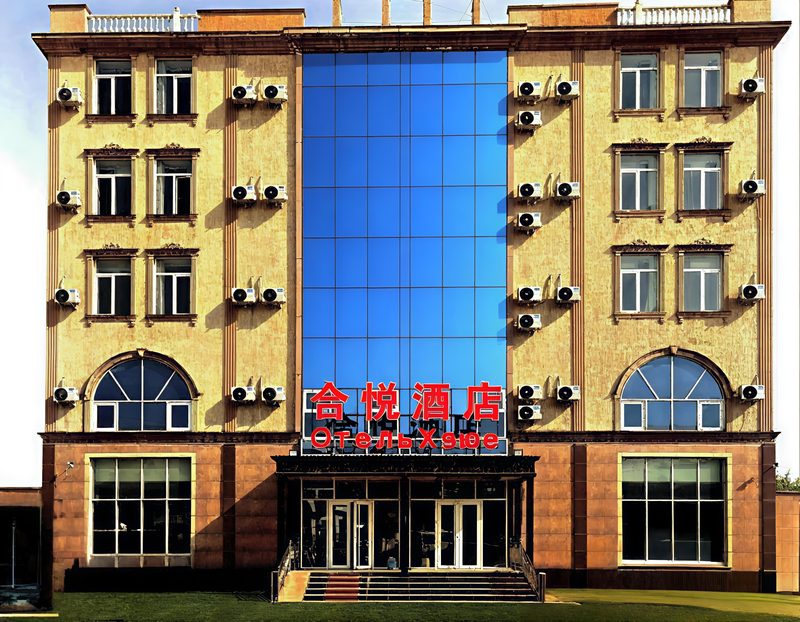
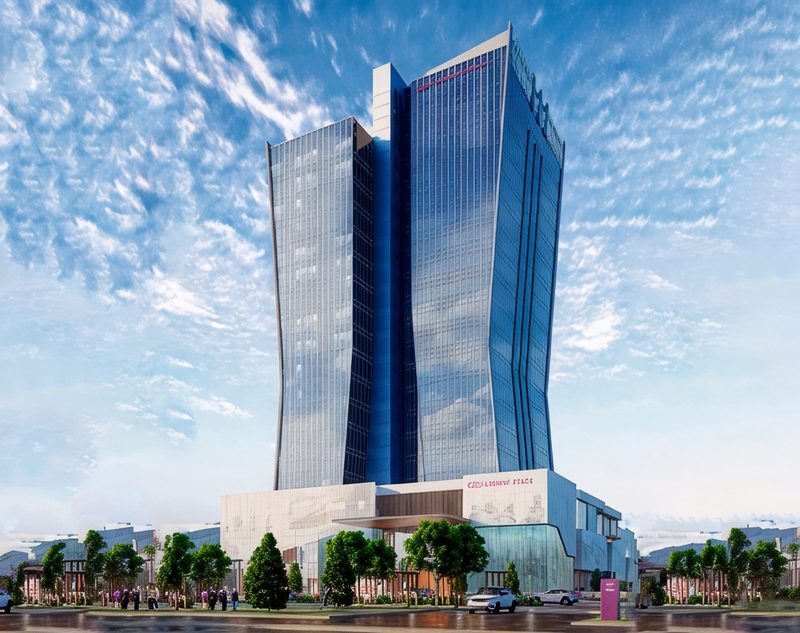
Where to Stay in Dushanbe in June
Hand-picked hotels across price tiers for June travellers.
Public Holidays in June
Dates that affect opening hours, transport and crowds
National Unity Day
Observed nationwide as a public holiday. Date calculated from the national holiday calendar.
National Unity Day
Observed nationwide as a public holiday. Date calculated from the national holiday calendar.
Packing Checklist
Bookmark this page — your progress is saved between visits
Need the full list with shopping links?
Climate-specific gear, brand recommendations, and what to leave at home.
View Dushanbe Packing List →Essential Tips
Insider knowledge and common pitfalls to avoid
Insider Knowledge
Dushanbe shuts down between roughly 1 PM and 4 PM in June, and fighting this rhythm is a losing strategy. The locals retreat to chaikhona teahouses or home, shops pull their shutters halfway, and the wide avenues empty out under a sun that turns the asphalt soft. Use this window the way residents do: find a shaded tapchan at a teahouse, order a pot of green tea and a dish of qurutob (torn flatbread soaked in a salty yogurt broth with herbs and onion, the texture somewhere between soup and salad) and let the heat pass. You'll cover twice as much ground in the cool of late afternoon as you would pushing through the worst of midday.
Mehrgon Bazaar is best experienced before 8 AM, when the produce arrives fresh and the temperature is still tolerable. The non bread bakers fire their tandoors around dawn, and the bread is best within the first hour (the crust shatters and the inside steams when you tear it). By midmorning the fruit sellers start covering their displays with cloth against the sun, the meat section becomes frankly unpleasant in the heat, and the crowds thicken enough to make the narrow aisles claustrophobic. Early entry, focused buying, and an exit before the heat builds is the local pattern for a reason.
Photography near government buildings, military installations, and the Palace of Nations is taken seriously by the security personnel stationed at these sites, and in June the clear light and dramatic architecture make these buildings look deceptively inviting as photo subjects. A polite refusal is the best outcome if you're caught pointing a camera. Confiscation of your phone or a trip to a police station for questioning is the worse one. The National Museum, Rudaki Park, Mehrgon Bazaar, and the chaikhona district are all fair game (photograph freely there). When in doubt, watch whether locals are taking photos in the same spot. If nobody else has a phone out, there's a reason.
The shared taxi system in Dushanbe runs on fixed routes, not street hails. Learn the basics. It saves hours. Aging sedans cram four passengers each. They gather at known departure points. They leave when full. No schedule exists. For Varzob, find them near Rudaki Avenue's northern end. For Hissar, check west of the bus station. Negotiate fares upfront in Tajik or Russian. Tourists pay more otherwise. Even basic Tajik helps. Ask 'chand?' for prices. It changes everything.
Avoid These Mistakes
Dushanbe's dry heat deceives. Humidity reads low. Comfort seems likely. It is not. 42% humidity paired with 33°C (92°F) sun exhausts. Soviet boulevards offer no shade. Sweat vanishes instantly here. You lose fluids without noticing. Headaches strike suddenly. Dizziness follows. Carry water constantly. Drink before thirst hits. Skip midday sightseeing entirely. Your body will thank you.
Rushing Dushanbe and the Pamir Highway together fails. The Pamir route needs four to five days each way. Speed ruins it. The slow reveal makes the journey special. Some travelers land and leave immediately. They miss Dushanbe completely. They skip acclimatization. Altitude sickness hits hard. Awe turns to nausea. Give Dushanbe two full days minimum. Budget ten days total for the Pamirs. No shortcuts.
Cards fail outside central Dushanbe. Tajikistan lives on cash. ATMs exist. Limits are low. Machines die without warning. One card travelers learn this painfully. Midnight taxi negotiations. Remote homestays. Empty fuel stops. Bring clean US dollars. Exchange small amounts. Keep reserves in a money belt. Never your daypack. Prepare for the worst.
Short on time? See day trips around Dushanbe on GetYourGuide.
Ready to plan your trip to Dushanbe?
Now that you've got the research covered, here's where to go next.
Explore More Activities in Dushanbe
Didn't see anything interesting yet?
Browse Viator's full catalog of tours, day trips, food experiences, and private guides in Dushanbe.
See All Dushanbe Tours on Viator