
Things to Do in Dushanbe in July
July weather, activities, events & insider tips
Shoulder Season · Good Value
July Weather in Dushanbe
Long-run averages for July
97°F (36°C)
High Temp
66°F (18°C)
Low Temp
0.1 inches (3 mm)
Rainfall
30%
Humidity
10
Sunny-Day UV
⚠ Extreme dry heat hits regularly. Afternoon temperatures reach 36°C (97°F) or higher. Heatstroke and dehydration are genuine risks. Low humidity makes the heat feel deceptively manageable. Symptoms appear suddenly. Carry water at all times. Retreat indoors during peak afternoon hours.
⚠ Altitude sickness threatens day trips to Iskanderkul at 2,195 m (7,200 ft). It threatens the Pamir Highway above 3,500 m (11,480 ft) more seriously. Symptoms include headache, nausea, and shortness of breath. Ascend gradually. Hydrate aggressively. Know the signs. Descending is the only reliable treatment.
Making the most of July in Dushanbe? Browse tours and activities in Dushanbe on GetYourGuide.
Is July Right for You?
Weigh the advantages and considerations before booking
Advantages
- + July delivers the Pamir Highway and Fann Mountains at their most accessible. Snowpack clears from high passes above 3,500 m (11,480 ft). Overland travel east toward Khorog and Murghab runs smooth. No road closures. No mud delays. This is the window.
- + Humidity hovers near 30%. The heat becomes tolerable if you hydrate and seek shade at midday. Evenings cool to 18°C (66°F). Families fill Rudaki Avenue. The parks come alive after dark.
- + Rainfall is essentially zero. Three mm (0.1 inches) for the entire month. Plan outdoor excursions to Iskanderkul Lake or the Varzob Valley gorges without fear of washouts. Mountain roads turn treacherous in wetter months. July removes that risk.
- + Dushanbe's tree-lined boulevards pay off now. Massive plane trees along Rudaki Avenue throw deep shade. Walk from the National Museum down to Mehrgon Bazaar at midday without suffering. Municipal fountains around Somoni Square earn their keep beyond mere decoration.
Considerations
- − The heat hits hard. By 1 PM, pavement along Ismoili Somoni Avenue radiates stored warmth through your shoes. Flat concrete Soviet-era plazas offer no shade. Sightseeing between noon and 4 PM becomes endurance, not pleasure. Plan around it.
- − Dushanbe's restaurant culture still follows old rules. Smaller choykhona close when heat peaks. They reopen around 5 or 6 PM. Lunch options shrink to larger establishments with air conditioning, or bazaar stalls that never stop. Adapt accordingly.
- − July brings peak season to the Pamir Highway corridor. Licensed drivers and 4x4 vehicles are scarce. You compete with every overland traveler in Central Asia for seats. Delay booking transport and you watch Land Cruisers depart without you. Act early.
Settled on July? Compare hotel prices in Dushanbe for your dates on Trip.com.
Best Activities in July
Top things to do during your visit
Dushanbe in July is a city held in the grip of Central Asian summer. Daytime temperatures climb to an average high of 97°F (36°C), and the air turns dry and still. Rainfall drops to a negligible 0.1 inches for the entire month, making this the driest stretch of the year alongside August. The foothills of the Fann Mountains, visible as a hazy purple wall from the capital's northern avenues, shimmer in the midday heat. Locals shift their rhythms accordingly. The wide, plane-tree-lined boulevards empty between noon and four, when the asphalt radiates warmth you can feel through your shoe soles, and the city comes alive again in the long golden evenings. Restaurants along Rudaki Avenue drag their tables outdoors, and the scent of grilled lamb kebabs and fresh non bread drifts from courtyard chaikhanas well past sunset. For travelers, July's fierce heat is a trade-off worth understanding. Dushanbe sits at roughly 800 meters above sea level. High enough that mornings feel tolerable, with lows around 66°F (18°C) inviting early walks through the National Park or along the banks of the Varzob River, where the water runs cold and fast from snowmelt farther up the valley. The bone-dry conditions mean cloudless skies day after day, which matters enormously if you are heading into the mountains. The Pamir Highway and the lake country around Iskandarkul are at their most accessible now, with passes clear and river crossings manageable. This is the month when Dushanbe is a launchpad. A place to acclimatize, stock up on dried apricots and flatbread at Mehrgon Market, and arrange transport before the high country swallows you whole. Eating well in Dushanbe in July means following the shade. The city's food scene revolves around slow-cooked qurutob, torn bread soaked in a tangy yogurt sauce layered with herbs, onions, and oil that glistens under the fluorescent lights of neighborhood cafés. Plov, Tajikistan's celebratory rice dish, arrives on communal platters heaped with carrots turned soft and sweet from hours in a cast-iron kazan. Street vendors sell cold kompot, a stewed-fruit drink served in recycled bottles, tart with cherry and apricot. The cheapest way to cool down. After dark, the area around the Ismaili Centre and the quieter streets south of Somoni Park host a low-key evening culture: families strolling, teenagers clustered around ice-cream carts, the distant thud of music from a wedding hall. Safety for foreign visitors is generally straightforward. Dushanbe is a capital with a visible police presence and a population accustomed to a modest but steady stream of overlanders and trekkers passing through.

Dushanbe to Osh on Pamir Highway
otherThe Dushanbe to Osh journey on the Pamir Highway is one of the great overland routes left on the planet. A multi-day crossing through the eastern Pamirs where the road threads between peaks above 4,000 meters and skirts the shore of Karakul, a lake so intensely blue-black it looks synthetic against the surrounding brown desert. You pass through Khorog, the regional capital of Gorno-Badakhshan, where the Panj River runs just meters from the Afghan border, and on clear mornings the snow cap of Peak Ismoili Somoni glows pink at the horizon. The silence at Alichur is absolute. No engine noise, no birdsong, just wind scraping across empty plateau.
This is the roof-of-the-world crossing that overlanders plan entire trips around, and July's clear passes and dry roads make it the most reliable window to attempt it.
Insider tip: Carry your own supply of rehydration salts and high-calorie snacks. The altitude above Murghab climbs past 4,000 meters fast, and the headaches and nausea of altitude sickness hit harder on an empty stomach. Homestay meals along the route are simple but filling. The hosts expect guests to eat.
This month: July's dry conditions and cleared mountain passes make this the peak window for the Pamir Highway crossing. Spring snowmelt has subsided and autumn snows have not yet begun, so river fords and high passes are at their most navigable.

Private Full-Day Tour to Iskandarkul
day_tripThe Dushanbe City Private Tour is a concentrated walk through the capital with a local guide who can explain the layers. Soviet planning, post-independence nation-building, and the older Tajik culture underneath both. You pass through Rudaki Park, where families gather under the shade of enormous chinar trees and the air smells faintly of cotton candy from vendor carts, then along the avenue to the National Museum, whose collection of Greco-Buddhist artifacts from ancient Bactria is excellent. The tour threads through the Mehrgon Bazaar, where sacks of dried mulberries, cumin, and crimson barberries are heaped on tables, and vendors press slices of dense, fragrant melon into your hand to taste.
A private guide transforms Dushanbe from a transit stop into a legible city. The Soviet grid, the Tajik identity markers, and the bazaar economy all snap into focus with local narration.
Insider tip: Ask your guide to include a stop at the Gurminj Museum of Musical Instruments, a small collection housed in a private home that most group tours skip. The rubab and tanbur instruments on display are beautiful, and the caretaker will sometimes play.

Dushanbe City Tour & Hissar Fortress
guided_experienceThe Private Full-Day Tour to Iskandarkul takes you north from Dushanbe into the Fann Mountains, where the road switchbacks up through walnut groves and villages clinging to terraced slopes before arriving at a glacial lake named, by local tradition, for Alexander the Great. Iskandarkul sits at roughly 2,200 meters, and the water is a milky turquoise fed by snowmelt. Cold enough to shock your hand when you dip it in, framed by scree slopes and sparse juniper. A short hike from the lakeshore leads to a waterfall that drops into a narrow gorge, its spray catching the light and cooling the air noticeably even in July's heat.
Iskandarkul is the single most dramatic day trip from Dushanbe. A glacial lake at altitude that delivers genuine mountain scenery without requiring days of overland travel.
Insider tip: Bring a windbreaker even in July. The lake sits high enough that afternoon breezes off the water feel cool, and the temperature differential between Dushanbe's lowland heat and the lakeshore can be fifteen degrees or more. Arrive by midday to catch the light on the water before afternoon cloud shadows darken the surface.
This month: July's negligible rainfall means the unpaved mountain roads to Iskandarkul are dry and passable, unlike the spring months when mudslides and swollen streams can close access.

Dushanbe City Private Tour
private_tourThe Hisar Fortress one-day tour devotes the full day to the fortress and its surrounding complex, giving time that the combined city-and-fortress itineraries cannot. You explore the two madrasas, the older one with its faded turquoise tilework and deep, echoing prayer hall, and the newer 18th-century structure now functioning as a small museum, at a pace that lets you examine the carved stucco and brickwork up close. The caravanserai, partially excavated, still shows the outlines of its merchant stalls, and standing in the central courtyard you can hear the wind funneling through the arched entryway the same way it would have centuries ago. The fortress sits on a natural rise, and the panoramic view of the Hissar Valley, green irrigated strips against dry brown foothills, rewards the climb in every direction.
A full day at Hissar means time to explore the madrasas, caravanserai, and hilltop grounds without the rushed schedule of a combined tour.
Insider tip: Bring water and a hat. Shade at the fortress is limited to the interior of the madrasas, and the exposed hilltop bakes in July's heat. The small chaikhana near the parking area sells fresh non and tea, which makes a better midday break than anything you can carry.

Hisar Fortress, One-day tour
guided_experienceThe Pamir Highway in 5 Days from Dushanbe to Osh is the compressed version of the great crossing. Still covering the full route through Khorog, Murghab, and over the Kyzyl-Art Pass into Kyrgyzstan. But on a tighter schedule that prioritizes driving days over rest stops. You wake before sunrise in homestays where the tea is already brewed and the bread still warm from the tandoor, then spend hours watching the landscape shift from green river valleys to Mars-red desert to snowfields at the pass. The descent into the Fergana Valley on the Kyrgyz side feels like arriving on a different continent. Suddenly there are orchards, cattle, and the sweet grassy smell of lowland summer.
Five days is the minimum to cross the Pamir Highway without feeling reckless, and this itinerary threads the needle between speed and the stops that make the journey worth the discomfort.
Insider tip: The five-day pace means long driving days. Bring a neck pillow and motion-sickness medication if you are prone, because the switchbacks between Khorog and Murghab are relentless. Confirm with your operator that the vehicle carries a spare tire and basic tools. Breakdowns on the eastern Pamirs are measured in hours, not minutes.
This month: July is the most reliable month for the full Pamir Highway crossing. All major passes are open, river levels have dropped from their spring peaks, and the near-zero rainfall at altitude means road conditions are as good as they get on this route.

Pamir Highway in 5 days from Dushanbe to Osh
otherThe Dushanbe City Tour and Hissar Fortress combines a morning in the capital, the colossal gilded National Museum of Tajikistan, the Soviet-era opera house, the enormous flagpole on Somoni Square, with an afternoon at Hissar, a fortress complex roughly 30 kilometers west of the city. At Hissar, you walk through a reconstructed gateway flanked by two massive cylindrical towers, their brickwork warm and rough under your palm, leading into grounds where a 16th-century madrasa and a caravanserai sit half-restored among old mulberry trees. The smell of sun-baked clay and dry grass hangs in the air, and from the fortress hilltop the Hissar Valley spreads out below in a patchwork of irrigated fields and low-rise villages.
This tour compresses Dushanbe's key landmarks and the most significant historical site in the Hissar Valley into a single guided day, with context a self-guided visit would miss.
Insider tip: At Hissar Fortress, walk past the main way into the older madrasa on the left side of the complex. Most tour groups cluster at the gate itself and skip the quieter rear grounds, where the original brickwork and carved niches are better preserved.
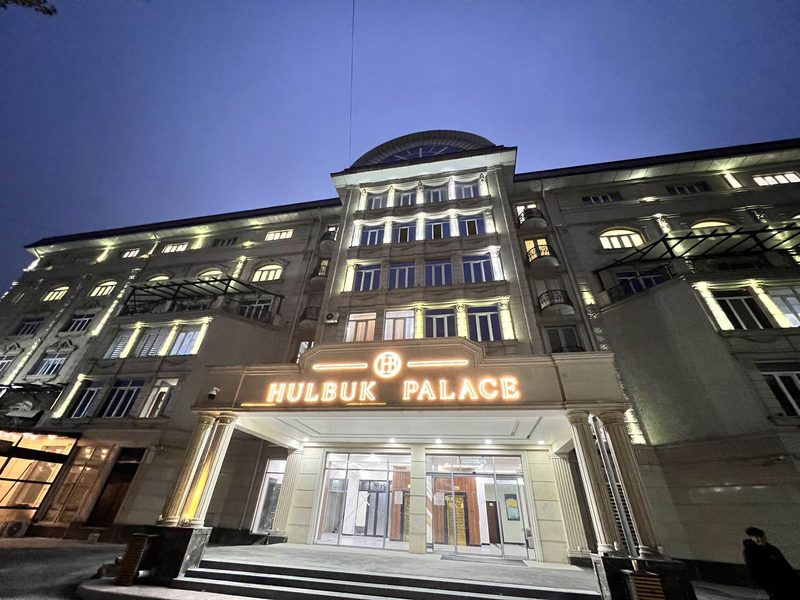
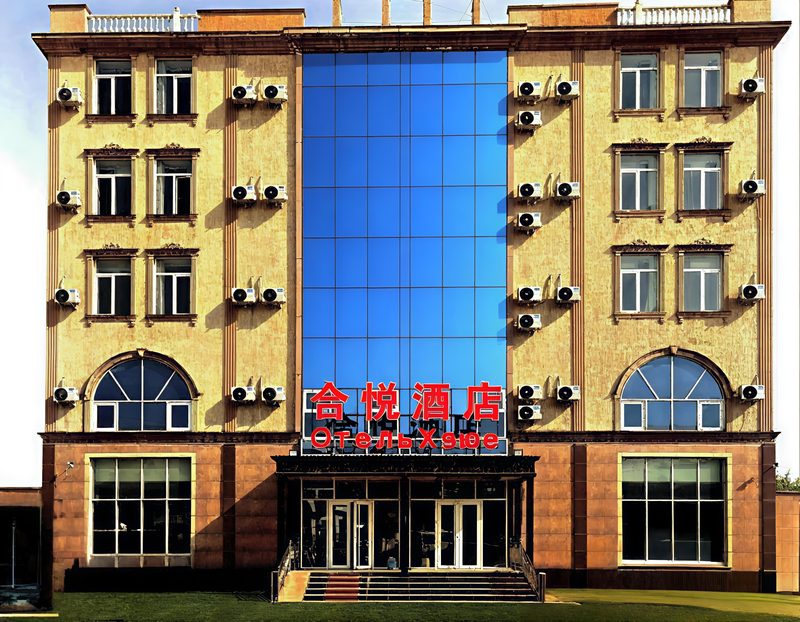
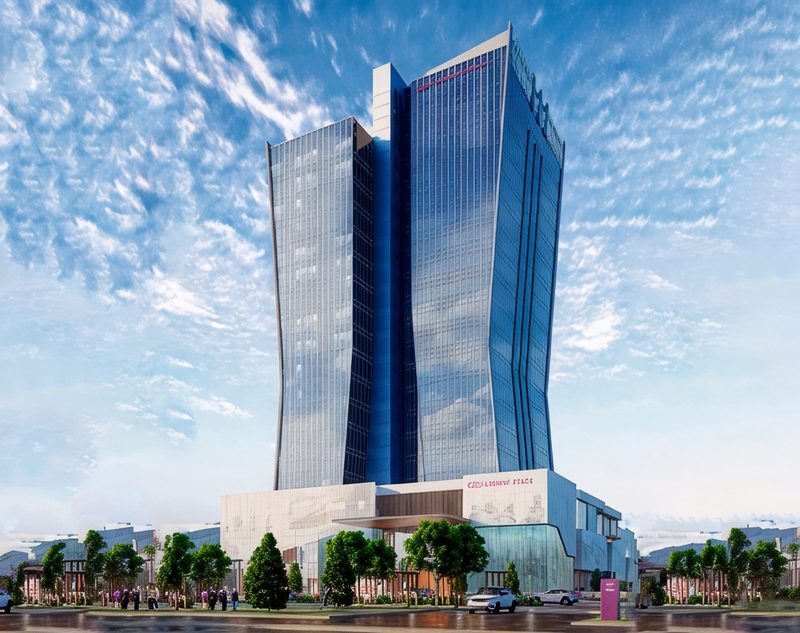
Where to Stay in Dushanbe in July
Hand-picked hotels across price tiers for July travellers.
Packing Checklist
Bookmark this page — your progress is saved between visits
Need the full list with shopping links?
Climate-specific gear, brand recommendations, and what to leave at home.
View Dushanbe Packing List →Essential Tips
Insider knowledge and common pitfalls to avoid
Insider Knowledge
The choykhona is not a cafe. It is Dushanbe's living room. Families gather Friday evenings. Business happens over plov at lunch. The raised wooden platforms are a social institution, not just seating. Take your shoes off first. Sit cross-legged or with legs tucked under you. Accept every cup of green tea offered. Refusing tea is a minor insult in Tajik culture.
Mehrgon Bazaar in July is Dushanbe's best free attraction. It is also the city's freshest food source. Stone fruit season peaks this month. Apricots from Fergana-adjacent valleys arrive so ripe they split if you look hard. Dried fruit vendors hand out samples freely. Golden mulberries. Sour green almonds. No pressure to buy. Go before 9 AM. Produce is freshest then. Aisles are navigable then.
The shared-taxi system is Dushanbe's real transit network. Marshrutka and sedan-based routes. Stops are unmarked. Routes run on local knowledge. For Varzob Valley or Hissar, taxis gather at known staging points. Ask your accommodation to write the destination in Tajik script. Show it to drivers at the stand. Negotiation is part of the process. Price is settled before you sit.
Dushanbe shuts down roughly 1 PM to 5 PM in July. This is survival strategy. Centuries of living in a continental desert climate shaped this. The National Museum stays open. Navruz Palace stays open. Both are air-conditioned. The palace is worth seeing for its carved plaster and painted ceilings alone. Plan your day in two halves. Active mornings. Indoor afternoons. Second outdoor window from 5 PM until dark around 8:30 PM.
Avoid These Mistakes
Avoid outdoor sightseeing between noon and 4 PM. At 36°C (97°F) with no cloud cover and no breeze, standing in unshaded Hissar Fortress courtyard becomes a heatstroke risk. Walking the exposed stretch of Rudaki Avenue south of Somoni Square does too. Locals vanish indoors. Follow their lead.
Do not underestimate water needs. The dry 30% humidity tricks you. You do not feel drenched in sweat. You assume you are fine. You are not. Dehydration headaches hit fast in Dushanbe's July heat. By the time you feel thirsty, you are already behind. Carry water everywhere. Drink before you are thirsty.
The Pamir Highway is not a casual weekend trip. Dushanbe to Osh covers roughly 1,300 km (800 miles) of mountain road at extreme altitude. Even in July's best conditions, the journey takes a minimum of five days. Travelers who rush it miss the point. They punish their bodies. Altitude sickness above 3,500 m (11,480 ft) is real. The only cure is time and descent.
Short on time? See day trips around Dushanbe on GetYourGuide.
Ready to plan your trip to Dushanbe?
Now that you've got the research covered, here's where to go next.
Explore More Activities in Dushanbe
Didn't see anything interesting yet?
Browse Viator's full catalog of tours, day trips, food experiences, and private guides in Dushanbe.
See All Dushanbe Tours on Viator