
Things to Do in Dushanbe in August
August weather, activities, events & insider tips
Low Season · Budget Friendly
August Weather in Dushanbe
Long-run averages for August
95°F (35°C)
High Temp
62°F (17°C)
Low Temp
0.0 inches (0 mm)
Rainfall
27%
Humidity
9
Sunny-Day UV
⚠ Extreme dry heat brings average highs of 35°C (95°F) and occasional spikes above 40°C (104°F). This creates serious dehydration and heatstroke risk. The low 27% humidity means sweat evaporates instantly. You will not notice how much fluid you are losing.
⚠ Dust and particulate matter from construction, unpaved roads, and the dry valley floor irritate airways. This affects travelers with asthma or respiratory sensitivities. Carry a lightweight dust mask or buff for road travel. It is worth having.
⚠ UV intensity at Dushanbe's 800 m (2,625 ft) elevation is punishing. Unprotected skin can burn within 30 minutes of midday exposure. Sunburn compounds dehydration risk. It can turn a manageable hot day into a medical situation.
Making the most of August in Dushanbe? Browse tours and activities in Dushanbe on GetYourGuide.
Is August Right for You?
Weigh the advantages and considerations before booking
Advantages
- + August brings bone dry conditions to Dushanbe. Rainfall drops to essentially zero. This opens the mountain passes. The Pamir Highway becomes accessible. Iskanderkul Lake and the Fan Mountains are reachable. Serious overland travelers wait all year for this narrow window.
- + The Varzob Gorge north of Dushanbe is the city's escape valve. Locals swim in glacier fed river pools. The water runs cold enough to make your teeth ache. They grill lamb shashlik on riverside platforms. Walnut trees provide shade. Join them. This is how Dushanbe lives in summer.
- + Accommodation in Dushanbe proper stays wide open in August. The heat keeps casual tourists away. You can book guesthouses and mid range spots on shorter notice. Spring and autumn shoulder seasons see more competition. August offers flexibility.
- + The bazaars hit their summer peak. Apricots, white mulberries, and enormous watermelons from the Hissar Valley pile into pyramids. Mehrgon and Shah Mansur markets overflow. The stone fruit is extraordinary. Sun warmed and fragrant, it reminds you. Tajikistan sits at the historical crossroads of the Silk Road fruit trade.
Considerations
- − The heat punishes. 35°C (95°F) is the average high. Pavement level temperatures along Rudaki Avenue feel closer to 40°C (104°F) by early afternoon. Low humidity keeps you from feeling sticky. It also accelerates dehydration faster than most travelers expect. Drink constantly.
- − Dushanbe's air quality deteriorates in August. Vehicle exhaust, construction dust, and baked earth create a haze. The surrounding valley traps it. Mornings show it most clearly. Any breeze helps disperse it.
- − Cultural institutions and indoor spaces have air conditioning ranging from aggressive to nonexistent. The National Museum keeps things cool enough. Smaller galleries, teahouses, and local restaurants rely on open doors and fans. Midday comfort indoors is not guaranteed. Plan accordingly.
Settled on August? Compare hotel prices in Dushanbe for your dates on Trip.com.
Best Activities in August
Top things to do during your visit
August in Dushanbe is relentless. Dry. Luminous. The capital sits in the Hissar Valley at roughly 800 metres, ringed by the western spurs of the Pamir-Alay, and by midsummer those mountains have shed their last snow into the Varzob River, which runs low and silty through the city's northern edge. Daytime temperatures hold near 35°C, rarely dipping before sundown. Rain is effectively nonexistent. It is the driest month of the year, with measurably zero precipitation on average and humidity around 27 percent, lower than any other season. The air tastes of dust and heated concrete in the afternoons, faintly of apricot and melon from the fruit vendors who crowd the pavements around Shohmansur bazaar. By evening the heat loosens its grip, sliding toward 17°C after dark, and the city's wide Soviet-planned boulevards fill with families walking beneath the plane trees along Rudaki Avenue, where the fountains throw mist into warm air that finally feels breathable. This is high season for the Pamir Highway and for the alpine lakes north of the capital. Dushanbe operates as the staging point for nearly every overland journey into the eastern ranges. Hotels fill earlier in August than in spring or autumn. Booking ahead is practical rather than optional. The restaurants along Ismoili Somoni Avenue and in the lanes behind the Tajik National Museum serve plov that arrives in cast-iron dishes still crackling from the flame, the rice stained amber with carrot and cumin, slick with rendered lamb fat. Street-side shashlik stalls fill the dusk air with the char-sweet smell of skewered beef over hardwood coals, and green tea, always green, served scalding in ceramic bowls, accompanies every meal. Dushanbe is safe for visitors exercising ordinary awareness. Petty crime is low by Central Asian standards, and the main concern is the heat itself. Carry water, walk on the shaded side, and plan outdoor excursions for the cooler bookends of the day. Nightlife concentrates in a handful of hotel bars and restaurants with outdoor seating. The rooftop terrace at the Hyatt is the most conspicuous. The city quiets by midnight, making it a place where the rhythm of travel slows to something deliberate and unhurried.

Dushanbe to Osh on Pamir Highway
otherThe Pamir Highway crossing from Dushanbe to Osh is one of the last great overland journeys left on the planet, a multi-day traverse along the M41 through the Wakhan Corridor's edge, over the 4,655-metre Ak-Baital Pass where the air thins until breathing becomes a conscious act, and past Karakul Lake, whose saline turquoise surface sits in a meteorite crater at 3,914 metres. The route threads through Khorog, Murghab, and a succession of homestays where the smell of fresh nan baking in tandoor ovens greets you at each stop, and where the silence at altitude is so complete you hear your own pulse. In August the passes are reliably clear of snow, the rivers run low enough for safe fording at the unpaved sections, and the high plateau light turns the Pamir's brown folds golden at sunrise and violet at dusk.
The second-highest international highway on earth, traversing landscapes so vast and unpeopled that each day on the road resets your sense of scale.
Insider tip: Pack a down layer despite the valley heat. Temperatures at Ak-Baital and Karakul drop below freezing overnight even in August, and the wind on the plateau cuts through anything lighter.
This month: August offers the most reliable pass conditions on the Pamir Highway. Ak-Baital and Kyzyl-Art are consistently snow-free, and river levels at unpaved ford crossings are at their seasonal low.

Private Full-Day Tour to Iskandarkul
day_tripThis combined itinerary pairs Dushanbe's core landmarks with the Hissar Fortress complex, twenty-five kilometres west of the city, where a restored 18th-century gateway stands against a backdrop of bare brown hills that shimmer in August's heat haze. The fortress gate is flanked by two madrasas. The older one dates to the 16th century, its brickwork warm and rough under your hand, the courtyard quiet except for sparrows nesting in the niches. Inside Dushanbe itself, the tour typically covers Rudaki Avenue's fountains, the gold-domed Tajik National Museum where the reclining Buddha of Ajina-Tepa fills an entire gallery, and the vast Tajik flagpole (one of the tallest in the world) in Somoni Park, where the national flag snaps in the hot wind that channels through the valley every afternoon. The smell of chlorine from the fountains mixes with exhaust and grilled meat from the nearby food stalls. Urban and unapologetic.
The fortress at Hissar and the Soviet-scaled capital together compress two thousand years of Tajik history into a single day, from Kushan-era archaeology to brutalist ministry buildings.
Insider tip: Visit Hissar Fortress in the first morning hour when the site is nearly empty and the stone gateway glows amber in low-angle light. By midday the exposed courtyard becomes punishingly hot with no shade.

Dushanbe City Tour & Hissar Fortress
guided_experienceIskandarkul sits at 2,195 metres in the Fann Mountains, roughly three hours north of Dushanbe by road, and the lake's colour in August is a cold, mineral green that shifts toward slate under cloud and toward jade in direct sun. The drive itself earns the day. The road climbs through the Anzob Pass tunnel, damp and unlit, carved through raw rock, before dropping into the Yagnob Valley, where the air cools sharply and smells of juniper and wet stone. The lake is fed by glacial melt from the Fann peaks, and the water is cold enough to shock skin on contact, though locals wade in at the shallow western shore where a gravel beach catches afternoon warmth. A waterfall called Snake Waterfall (Iskandarkul's outflow) drops forty metres into a gorge you can hear from a half-kilometre away, its roar amplified by the narrow canyon walls.
A glacial lake of almost impressive colour set in a mountain amphitheatre that feels remote despite being a day trip from the capital.
Insider tip: Ask the driver to stop at the overlook point on the descent from Anzob Pass. The panorama of the Yagnob Valley spread below is the single best photograph of the day, and most tours pass it without pausing.
This month: August's zero rainfall means the road to Iskandarkul, including the unpaved sections past Anzob, is at its most navigable, with no washout risk and clear sightlines on the mountain approach.

Dushanbe City Private Tour
private_tourThis dedicated Hissar Fortress excursion spends the full day at the archaeological complex rather than splitting time with the city, and the difference is depth. Beyond the restored gateway that most visitors photograph and leave, the site sprawls across a low plateau: the Madrasa-i-Kukhna with its sunken courtyard of worn brick, the mausoleum of Makhdumi Azam whose tiled facade catches morning light in bands of turquoise and ochre, and a caravanserai foundation where you can trace the outline of rooms that once housed Silk Road traders. The ground underfoot is dry and cracked in August, and the heat radiates upward from exposed stone. But the scale of the ruins, visible only when you walk the full perimeter, rewards patience. Guides familiar with the site point out Kushan-era pottery shards still surfacing in the eroded hillside, and the view from the fortress ridge includes the Hissar Valley's patchwork of cotton fields and apricot orchards, pale green and dusty gold in the late-summer light.
A full day at Hissar reveals layers of occupation, Kushan, Timurid, Bukharan, that a quick stop at the gateway entirely misses.
Insider tip: Bring your own water and a sun hat with a brim. There is no reliable shade at the outer ruins and the single on-site vendor may or may not be operating on any given day.

Hisar Fortress, One-day tour
guided_experienceThe five-day format compresses the Pamir Highway into the tightest practical schedule while still allowing overnights at Kalai-Khumb on the Afghan border (where the Panj River runs so close to Afghanistan that you can hear roosters crowing on the opposite bank at dawn), Khorog (the Pamir's only real town, where the botanical garden at 2,200 metres grows apples and roses in defiance of altitude), Murghab (a wind-stripped settlement of shipping containers and satellite dishes at 3,600 metres), and Karakul Lake before the border crossing into Kyrgyzstan. Five days means long driving days. Eight to ten hours of corrugated gravel, river crossings, and switchbacks where the drop-off is unguarded and vertical. But it also means you sleep at altitude gradually, reducing the headache-and-nausea risk that catches travellers who fly directly to the high plateau. The smell of yak dung fires, the taste of salty butter tea pressed into your hands at every homestay, the sound of wind tearing across the plateau at 4,000 metres where nothing grows taller than your ankle. These accumulate into something that resists summary.
Five days is enough time for the Pamir to stop being scenery and start being an experience. The altitude sickness, the homestay hospitality, the sheer emptiness settle into your body rather than just passing your window.
Insider tip: Carry a headlamp with fresh batteries. Homestays above Khorog often run on solar with limited evening power, and the outhouse walk at Karakul in the dark at 3,900 metres is not something to attempt blind.
This month: August is the peak window for the five-day Pamir crossing. All passes are open, river fords are at minimum depth, and homestay availability along the route is at its highest, though Murghab and Karakul fills quickly and advance booking through your operator is essential.

Pamir Highway in 5 days from Dushanbe to Osh
otherA private city tour strips Dushanbe to its essentials: the Navruz Palace, whose interior tilework and carved plaster ceilings are among the most elaborate in Central Asia, cool and echoing inside while the city bakes outside. The Green Bazaar (Mehrgon), where stalls overflow with torpedo melons, dried mulberries, and slabs of kurut (dried yoghurt balls) whose sharp, salty tang hits before you are close enough to see them. And the neighborhood tea houses (choykhona) where men sit cross-legged on wooden platforms, pouring green tea and cracking sunflower seeds over hours of conversation. The pace of a private tour means lingering at the National Antiquities Museum, where the Oxus Temple treasures include Hellenistic ivories that few visitors outside specialist circles know exist. Dushanbe's food scene centres on simple, emphatic cooking. Hand-pulled laghman noodles in a broth slick with lamb fat and diced peppers, mantu dumplings pinched shut and steamed until the dough turns translucent.
A private guide unlocks the interiors and context that Dushanbe's modest signage conceals. The Navruz Palace alone justifies the format.
Insider tip: Request a stop at the Mehrgon bazaar's second floor, where the spice vendors sell Pamiri saffron-grade marigold petals and wild mountain cumin at a fraction of what the tourist-facing ground-floor stalls charge.
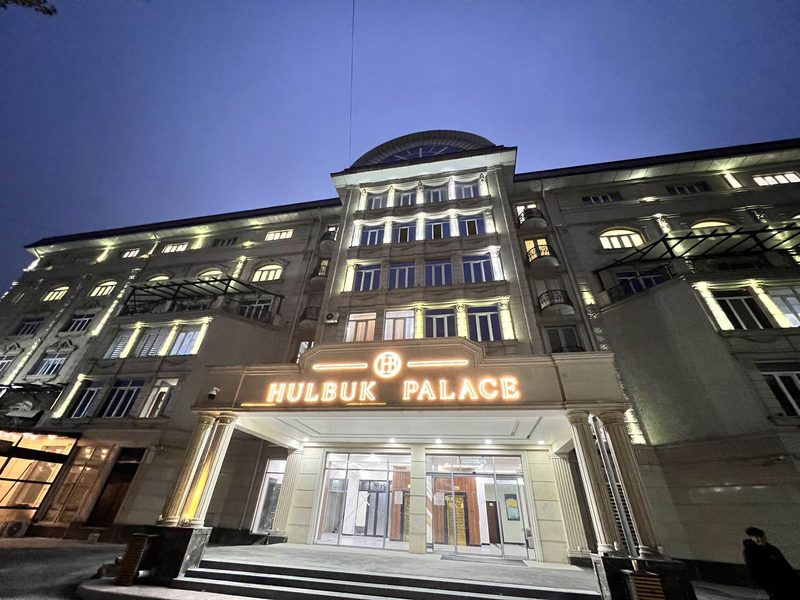
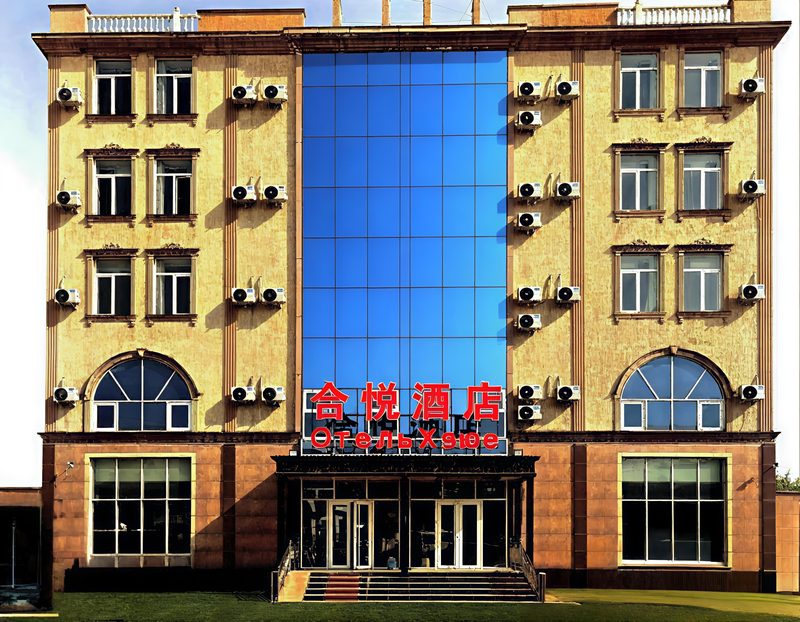
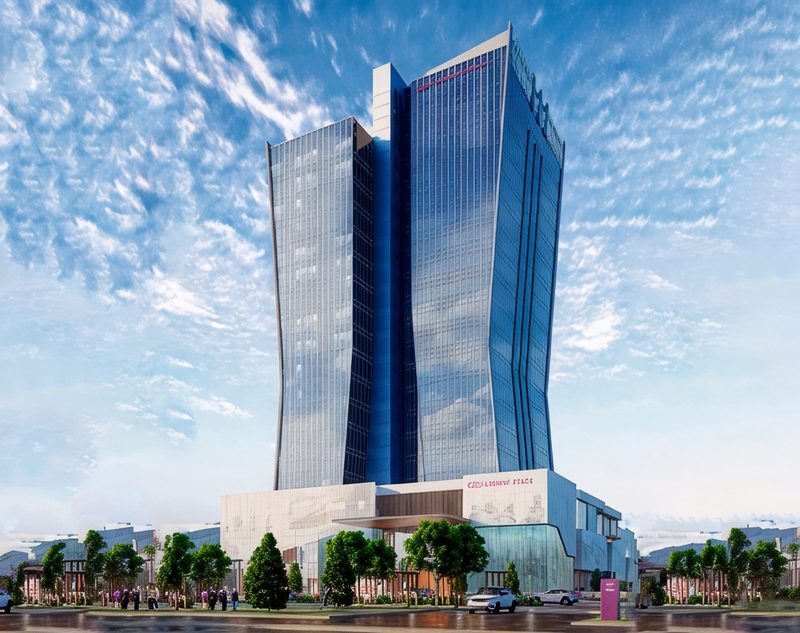
Where to Stay in Dushanbe in August
Hand-picked hotels across price tiers for August travellers.
Packing Checklist
Bookmark this page — your progress is saved between visits
Need the full list with shopping links?
Climate-specific gear, brand recommendations, and what to leave at home.
View Dushanbe Packing List →Essential Tips
Insider knowledge and common pitfalls to avoid
Insider Knowledge
Dushanbe's heat follows a pattern locals know well. The city shuts down between 1 PM and 4 PM in August. Shops close their metal shutters. Streets go quiet. Fighting this rhythm is pointless. Use those hours for a nap. Sit in a chaikhona with green tea. Schedule sightseeing for morning and late afternoon when temperatures become manageable.
Dushanbe ranks among the safest Central Asian capitals for solo travelers, including women traveling alone. Expect friendly curiosity from locals. This can feel intense if unprepared. People will ask where you are from, whether you are married, and what you think of Tajikistan. These are genuine questions, not preludes to scams.
The somoni runs weak against major currencies. This makes Dushanbe remarkably affordable. Change money at bazaar rates, not official counters, for a noticeably better deal. The transaction is legal and routine. ATMs exist but are not always stocked. Carry US dollars as backup.
Arrange your GBAO permit before arrival if using Dushanbe as a base for the Pamir Highway or Fan Mountains. The permit office in Dushanbe can issue them. The process requires bureaucratic patience. Sorting this while adjusting to 35°C (95°F) heat invites frustration. Reputable operators handle this as part of booking.
Avoid These Mistakes
Do not underestimate the heat. Do not schedule full days of outdoor sightseeing. Dushanbe in August punishes walking between landmarks from 10 AM to 3 PM. Heatstroke is a real risk. The dry air makes it deceptively easy to ignore warning signs. You will not feel soaked in sweat.
Do not expect Uzbekistan's tourist infrastructure. Tajikistan's capital has fewer English-speaking guides, international restaurants, and well-marked attractions. This is part of its appeal. Plan logistics more carefully. Improvisation has higher friction here than in Samarkand or Bukhara.
Do not drink tap water. Do not eat unwashed bazaar fruit. Stomach trouble is the most common health complaint in summer. It is almost entirely preventable. Use bottled water and basic food hygiene. The bazaar fruit is extraordinary. Rinse it with clean water first.
Short on time? See day trips around Dushanbe on GetYourGuide.
Ready to plan your trip to Dushanbe?
Now that you've got the research covered, here's where to go next.
Explore More Activities in Dushanbe
Didn't see anything interesting yet?
Browse Viator's full catalog of tours, day trips, food experiences, and private guides in Dushanbe.
See All Dushanbe Tours on Viator